Your first colony will probably fail. That is normal. Colony sims are built around plans that look fine until people, storage, weather, food, oxygen, mood, injuries, or poor priorities expose the part you ignored. The goal is not to avoid failure forever. The goal is to understand what killed the colony clearly enough that the next one lasts longer.
This beginner guide works across RimWorld-likes, fortress builders, engineering colonies, and survival settlements. The details change from game to game, but the first-week logic is consistent: build small, secure food, assign work deliberately, keep storage close, avoid overexpansion, and create a recovery plan before the first real crisis.
1. Build small before you build smart
New players often lose colonies because they build the perfect future base too early. Large layouts create long walking routes, unfinished rooms, exposed workers, scattered materials, and too many jobs competing for attention. A small ugly base is usually stronger than a beautiful half-built one.
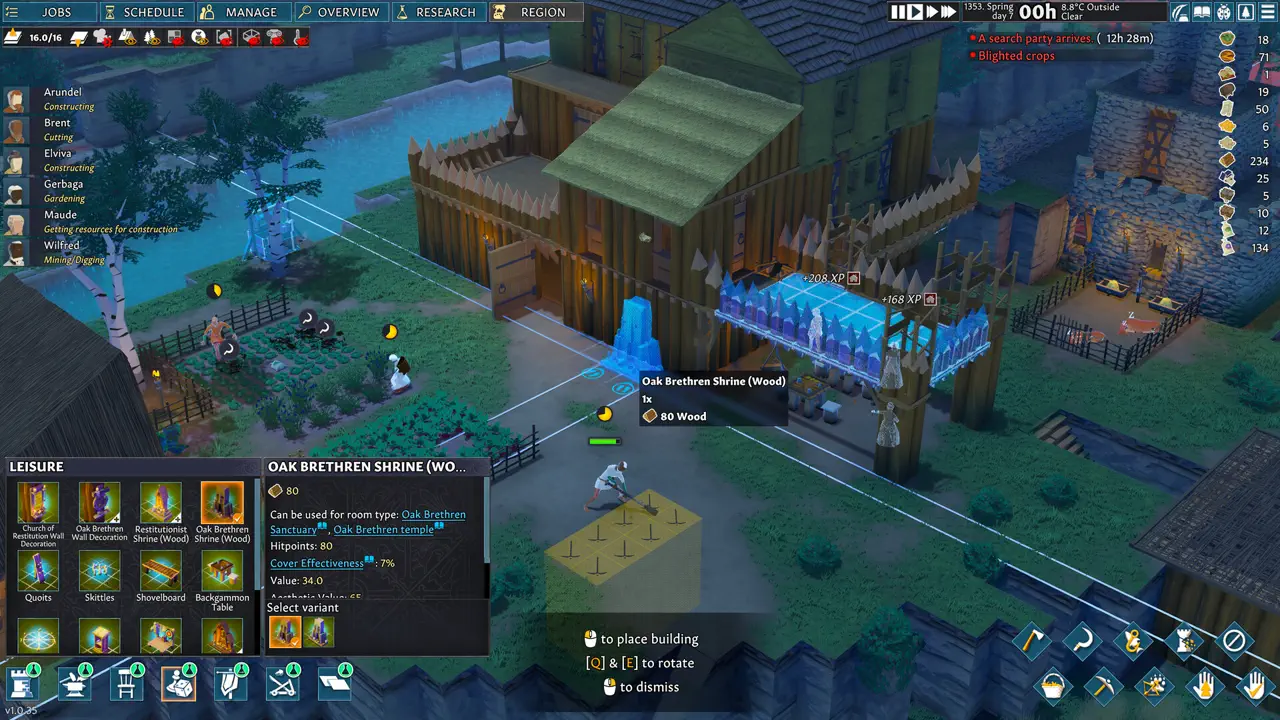
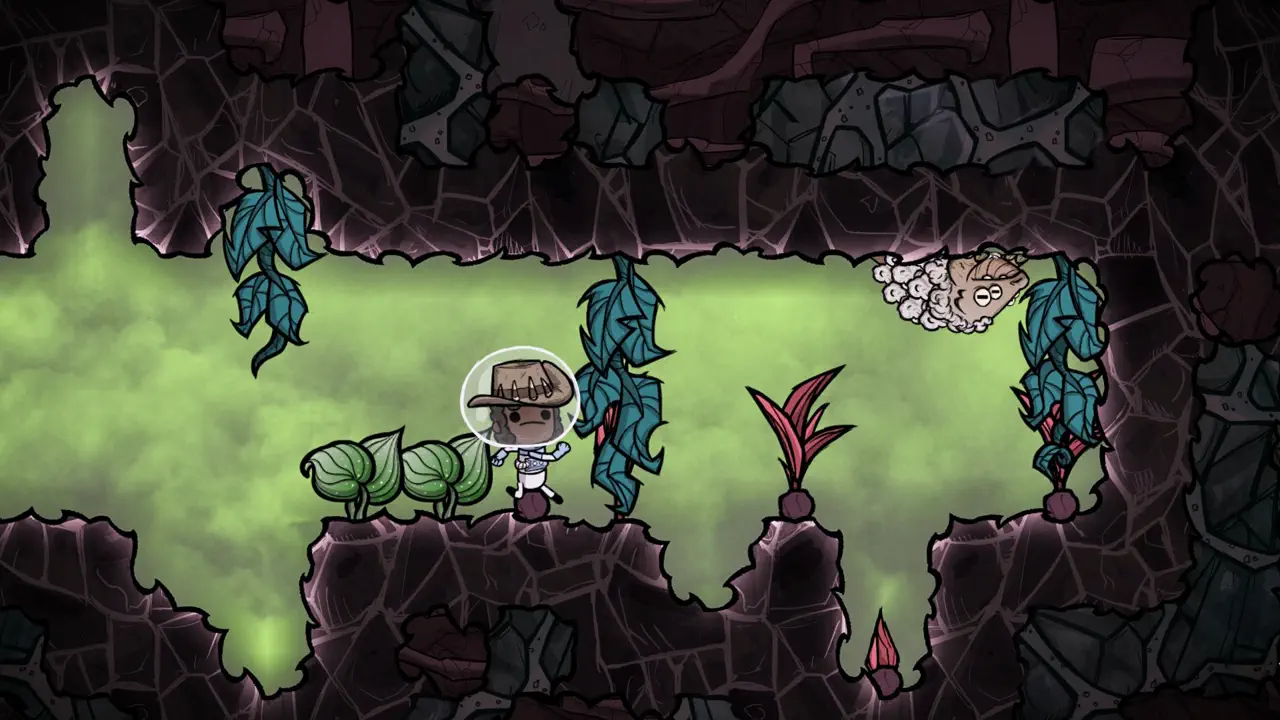
Start with sleeping space, a food area, basic storage, a work zone, and one shared room where colonists can eat or relax. In a 3D builder like Going Medieval, think about roofs, temperature, and safe paths. In RimWorld, think about beds, tables, stockpiles, freezer access, and defensible doors. In Oxygen Not Included, think about toilets, beds, oxygen flow, water, and digging only as much as you can support.
2. Food beats ambition
Food is the beginner killer because it looks stable until it is not. Crops take time, hunters get hurt, cooks sleep, kitchens bottleneck, storage spoils, and winter arrives faster than expected. If your colony has only enough food for the current day, every other project is a luxury.
- Create one reliable food source before starting decorative or long-term projects.
- Keep raw food, kitchens, dining areas, and storage close enough that workers do not waste the day walking.
- Build more storage than you think you need, then keep it organized.
- Watch spoilage, temperature, power, and fuel wherever the game models them.
3. Jobs need priorities, not vibes
Most colony sims punish vague labor. If every worker can do everything, your best builder may haul rocks while your worst cook ruins meals. Use work priorities early. Put the skilled person on the job where skill matters, then let lower-skill workers haul, clean, gather, or do safer backup tasks.
In RimWorld, manual work priorities are one of the biggest beginner upgrades. In Clanfolk, routines and seasonal work matter. In Banished, the number of laborers, builders, farmers, and specialists can decide whether the town has enough hands at the right time. In Oxygen Not Included, duplicant skills and errands can save or sink a base.
4. Put storage where work happens
Bad storage is invisible at first. A colony with enough wood, food, stone, medicine, or metal can still fail if everything is too far away. Walking time steals labor from every job. A kitchen needs ingredients nearby. A workshop needs materials nearby. A hospital needs medicine nearby. A defensive line needs weapons and repairs nearby.
Do not create one enormous stockpile and call it solved. Use small purposeful storage zones near the jobs that consume those items. Later, when the base is stable, you can build cleaner logistics.
5. Mood and comfort are survival systems
Beginners often treat mood as flavor text until the first breakdown. In colony sims, bad mood is a practical threat. Hungry, tired, cold, wet, wounded, overworked, bored, or uncomfortable people stop being reliable labor. Once labor becomes unreliable, food, medicine, construction, and defense all get worse.
- Give colonists somewhere to sleep before optimizing production.
- Create a safe eating or recreation space if the game rewards it.
- Avoid making injured or stressed workers handle every critical job.
- Use schedules, rest, clothing, warmth, and room quality when the game supports them.
6. Defense should be simple and early
Not every colony sim has raids, but every colony sim has a version of defense. It may be walls, traps, armed colonists, wildlife safety, heat backup, firebreaks, water reserves, oxygen redundancy, or a plan for storms. Beginners often wait until the first crisis to design protection. That is too late.
Start simple. One controlled entrance is better than five exposed doors. A small backup food store is better than a perfect farm with no buffer. A manual generator, water reserve, or emergency oxygen solution can buy enough time to recover from a design mistake.
Beginner checklist
| Problem | Early warning | First fix |
|---|---|---|
| Food | Meals drop every day, crops are not ready, cooks are overloaded | Pause expansion and assign dedicated food labor. |
| Shelter | People sleep outside, rooms are unfinished, temperature is unsafe | Finish the smallest functional living space first. |
| Labor | Critical jobs sit unfinished while workers do minor tasks | Set manual priorities and specialize skilled workers. |
| Storage | Workers spend most of the day walking | Move stockpiles near kitchens, workshops, farms, and defenses. |
| Mood | People are hungry, tired, cold, injured, or constantly interrupted | Fix sleep, food, comfort, schedule, and workload before adding projects. |
| Defense | Threats can enter from many directions | Create one safer approach, basic cover, backup resources, or emergency systems. |
A boring first week is a victory. Drama will arrive without being invited.
Once food, shelter, jobs, storage, mood, and a basic safety plan exist, you can start playing creatively. Until then, every fancy project is just another way to run out of meals, oxygen, warmth, or hands. Survive the first week cleanly, and the colony will give you better problems to solve.